You spent decades learning what matters, what others miss, and what good work looks like. Line of Ascent helps you put that experience to work as the world changes around you.
Principles that stand when everything shifts.
What you know. Where you take it.
Everything around your work keeps speeding up. The tools, the claims, the pace, the noise.
When answers are cheap and confidence is everywhere, the scarce thing is what took years to acquire: the ability to separate signal from noise, recognize what doesn’t add up, and know when the easy answer isn’t good enough.
The advantage is not keeping up with everything. It is knowing what should not be surrendered to any of it.
What you know. What keeps you valuable. What deserves your trust.
They have access to the same information and increasingly the same capabilities. They don’t have the decades you spent learning where the real value lies—or the instincts that only come from doing the work.
Capture what makes your work differentThere will always be something newer, faster, and supposedly essential. The better question is what keeps you hard to replace—and how to use what’s changing without losing what took years to build.
Protect what makes you valuableConfident answers are everywhere. Your advantage is knowing what deserves your trust, what deserves another question, and what you will not surrender to a feed, a crowd, or a machine.
Decide what deserves your trustTechnology keeps changing what is possible. It does not get to decide what is valuable—or who gets the final say.
Line of Ascent begins with what should not change when the tools do: human agency, constitutional liberty, earned expertise, and, for those who share it, faith. The tools will keep changing. The standard should not.
Kathleen Goble is a writer, strategist, and co-author of The Fight for the Future of Humanity: Making the Case for a 28th Amendment. Her work crosses law, business, science, theology, and more than two decades in the professional world.
Different fields. The same discipline: understand the terrain, find the signal, and make the principles clear enough to use.
About KathleenThe world is getting more capable, more complicated, and more persuasive. Line of Ascent makes the terrain legible—so you can protect what experience has taught you, understand what is changing, and know what deserves your trust.
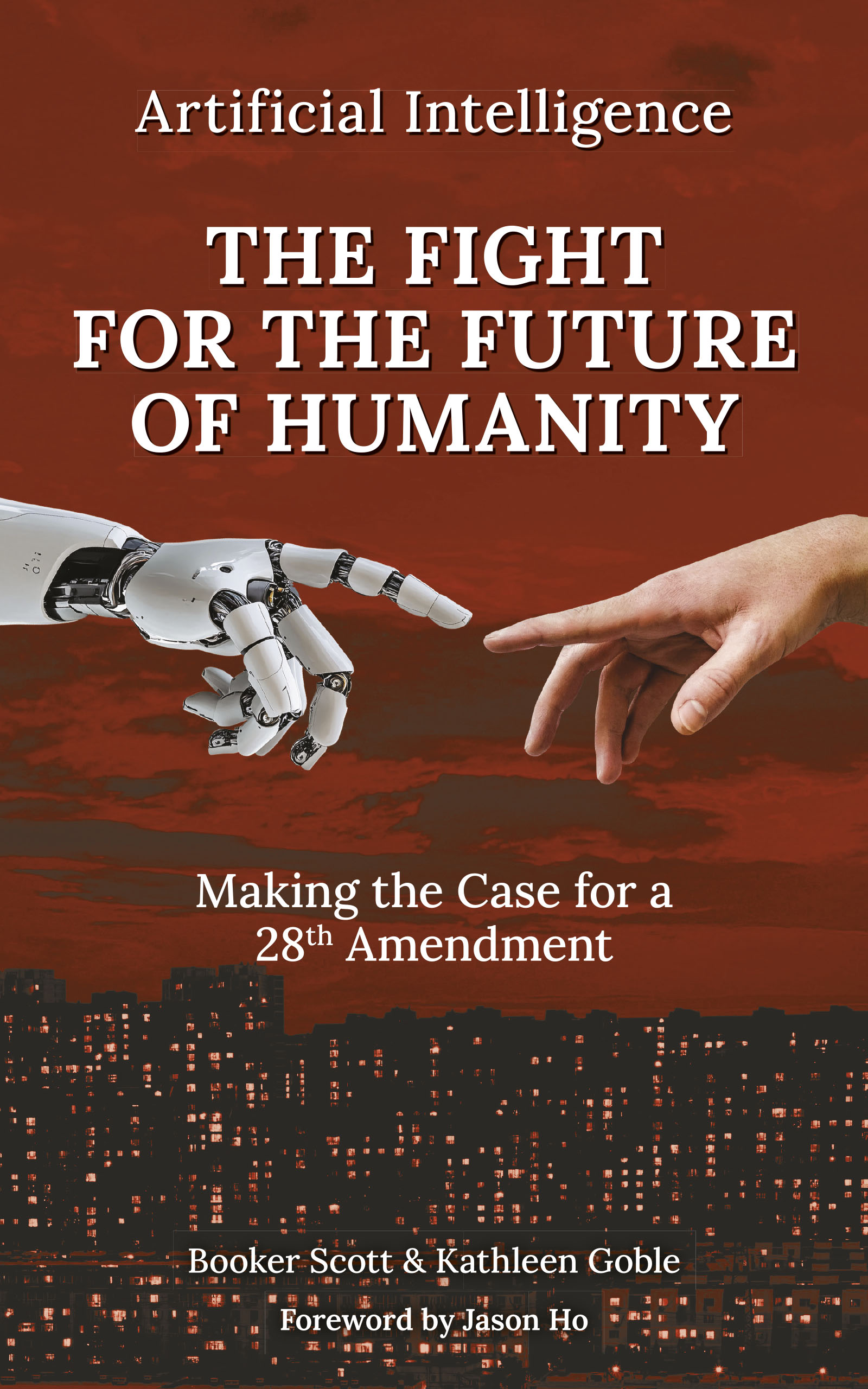
The Fight for the Future of Humanity
What readers say on Amazon
Thought-provoking · Informative · Easy to read
Read the reviews on Amazon“Blending history and legal insight with clarity… well-researched and easy to read, even for those not very knowledgeable on the subject.”
— Missi, Amazon review
“Thoroughly documented and well written for people who like to get to the bottom line quickly.”
— Gary, Amazon review
“Grounded in constitutional logic, yet accessible to everyday readers… For professionals like myself, who value systems-thinking, diagnostic clarity, and forward-looking governance, this book resonates deeply.”
— Frank, Amazon review
Every week, Line of Ascent goes beneath the noise across technology, work, faith, politics, and language. Not to tell you what to think, but to make the forces, incentives, and distinctions easier to see.
The terrain informs. You choose the route.
Read the latestAcross technology, work, faith, politics, and language, the same question keeps surfacing: Who gets to decide?
What to trust, what to use, what to refuse—and where human responsibility cannot be delegated.
What becomes more valuable as capability gets cheaper: experience, discernment, standards, and knowing what good looks like.
The biblical and founding principles that anchor a free people—and still hold when the ground shifts.
Who governs, who consents, and what keeps a free people sovereign.
How narrative, rhetoric, and machine-made language shape what you believe—and what deserves your trust.
New writing across technology, work, faith, politics, and language—following the questions beneath the headlines to the principles and decisions that matter.
Free. Unsubscribe anytime.
Not ready to subscribe? Start with the AI Archetype—a four-minute assessment of how you approach AI.
Find your archetype